Design Leadership
Design Leadership Through Systems & Strategy
I lead by bringing structure to complex systems and aligning teams around clear, scalable solutions. I work closely with engineering and product to turn complex requirements into usable, consistent experiences that teams can build and scale.
My Role: Product Design Lead | Design Strategy | System Architecture | Design Systems | Cross Functional Leadership

Business Impact
Scale
Led cross-functional alignment across product, engineering, and operations, establishing a shared system approach across teams.
System
Established a scalable MUI-based design foundation adopted across multiple platforms, enabling consistency and reuse.
Reach
Supported enterprise systems used by 1M+ users across complex operational environments and high-volume workflows.
Efficiency
Reduced design-to-development friction by ~30% by aligning design and engineering around shared patterns and workflows.
Lead by Influence: Design as a Business Lever
I operate as a bridge between product, engineering, and business needs. My role goes beyond design execution. I focus on bringing structure to complex systems and aligning teams around clear, scalable solutions.
In enterprise environments, design is not just about screens. It is about helping teams understand how systems work, how users interact with them, and how decisions impact the overall experience. When that clarity exists, teams move faster and build with more confidence.
I lead through structure, data, and logic rather than authority. By grounding decisions in real use cases and system thinking, I help teams move from opinion-based discussions to measurable, outcome-driven solutions.

Establishing a Scalable Design Foundation
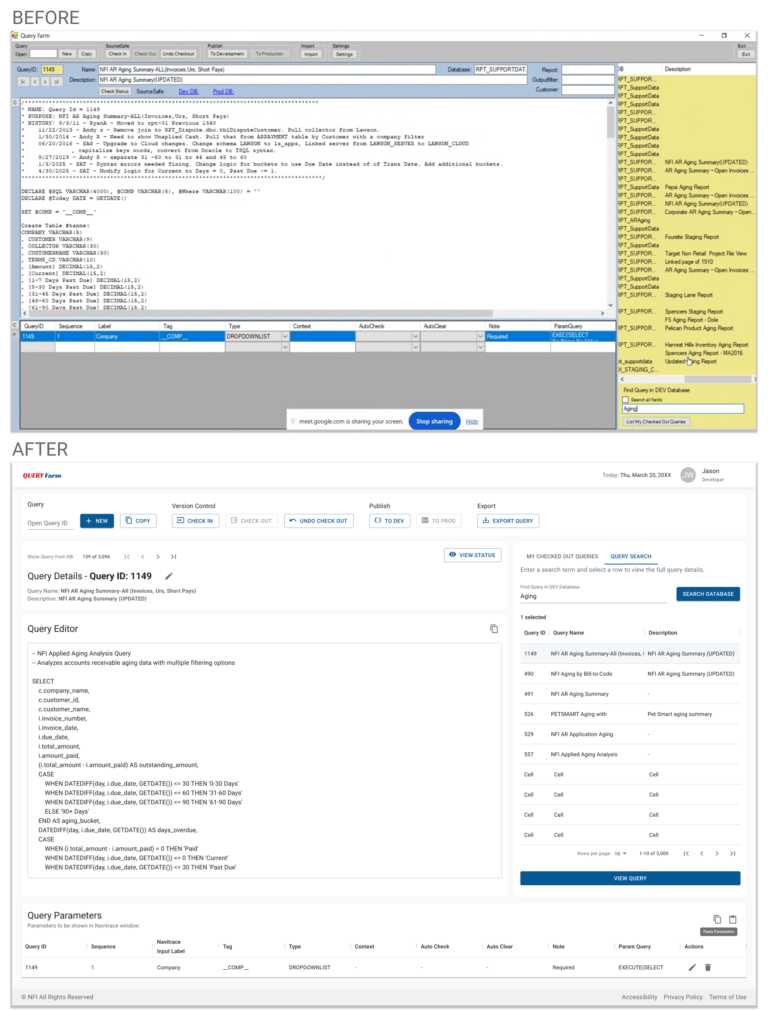
The Challenge
Fragmented tools, inconsistent UX patterns, and growing technical debt slowed development and created confusion across teams.
The Action
I established a shared design foundation by driving adoption of a MUI-based system, aligning design and engineering around reusable components and consistent interaction patterns.
The Result
- Reduced implementation inconsistencies across teams
- Improved development speed and engineering autonomy
- Enabled scalable system growth across multiple platforms
Before: fragmented interface with unclear structure and poor usability
After: structured workflow with clear actions, stronger hierarchy, and improved usability
Aligning Design, Engineering, and Product
The Challenge
Teams operated in silos, creating gaps between design intent and technical implementation.
What I Established
- Established shared design-to-development workflows across teams
- Defined clear handoff patterns in Figma aligned with engineering implementation
- Built ongoing collaboration between design and engineering
The Impact
- Reduced rework and communication gaps across teams
- Accelerated delivery cycles through shared workflows
- Improved alignment between design, engineering, and product
- Established shared system patterns, reducing ambiguity
- Enabled consistent component structure and interaction patterns
- Aligned teams around shared system patterns, reducing ambiguity and enabling consistent, predictable delivery across products.
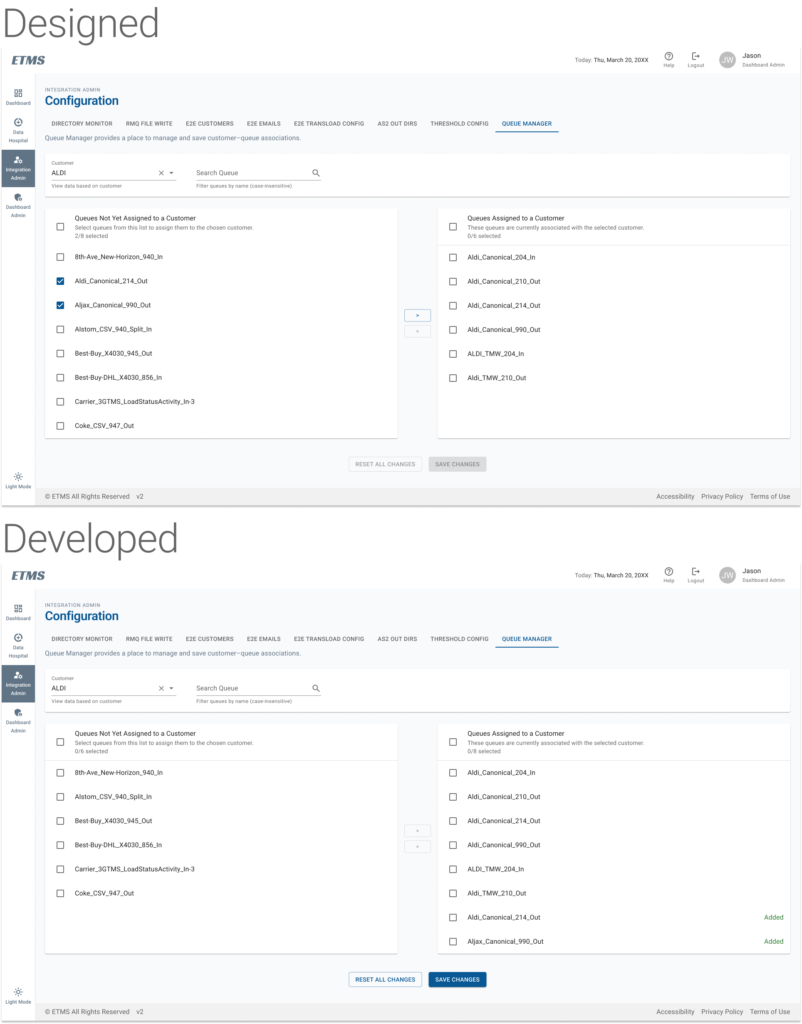
Design (Figma) → Development (Implementation)
System Thinking at Scale
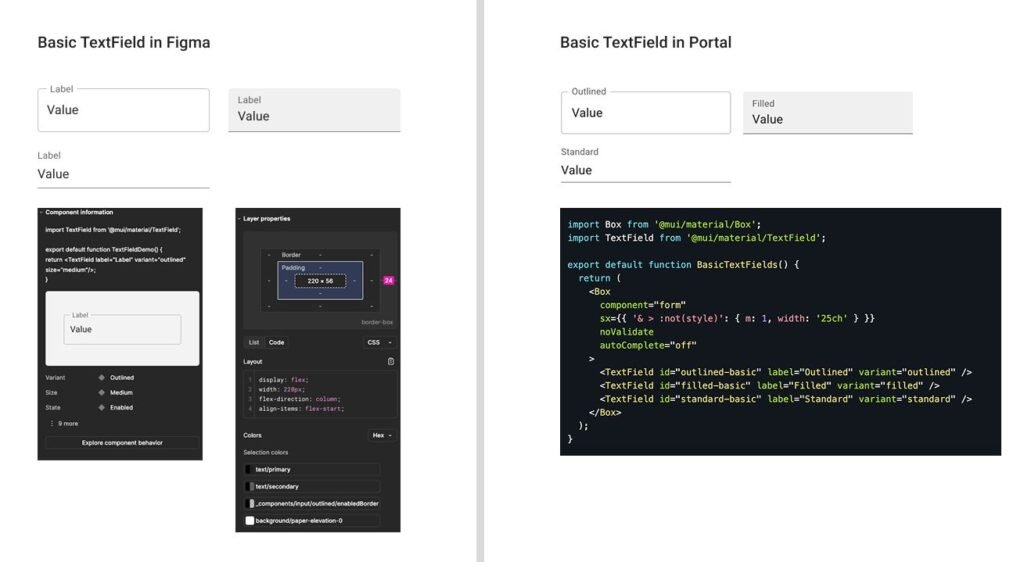
Left: Design (Figma)
Right: Development (Implementation)
Structuring Systems for Complexity and Scale
I structured systems to scale with increasing data, features, and operational complexity, ensuring clarity for users and flexibility for teams.
The Action
- Defined reusable patterns across platforms
- Structured information architecture for clarity and navigation
- Enabled consistent system behavior across products
The Result
- Enabled systems to scale without increasing user confusion or development overhead, supporting faster feature expansion and long-term product stability.
- Reduced system complexity through clear structure and reusable patterns
AI & Future-State Thinking
Designing for Adaptive Systems
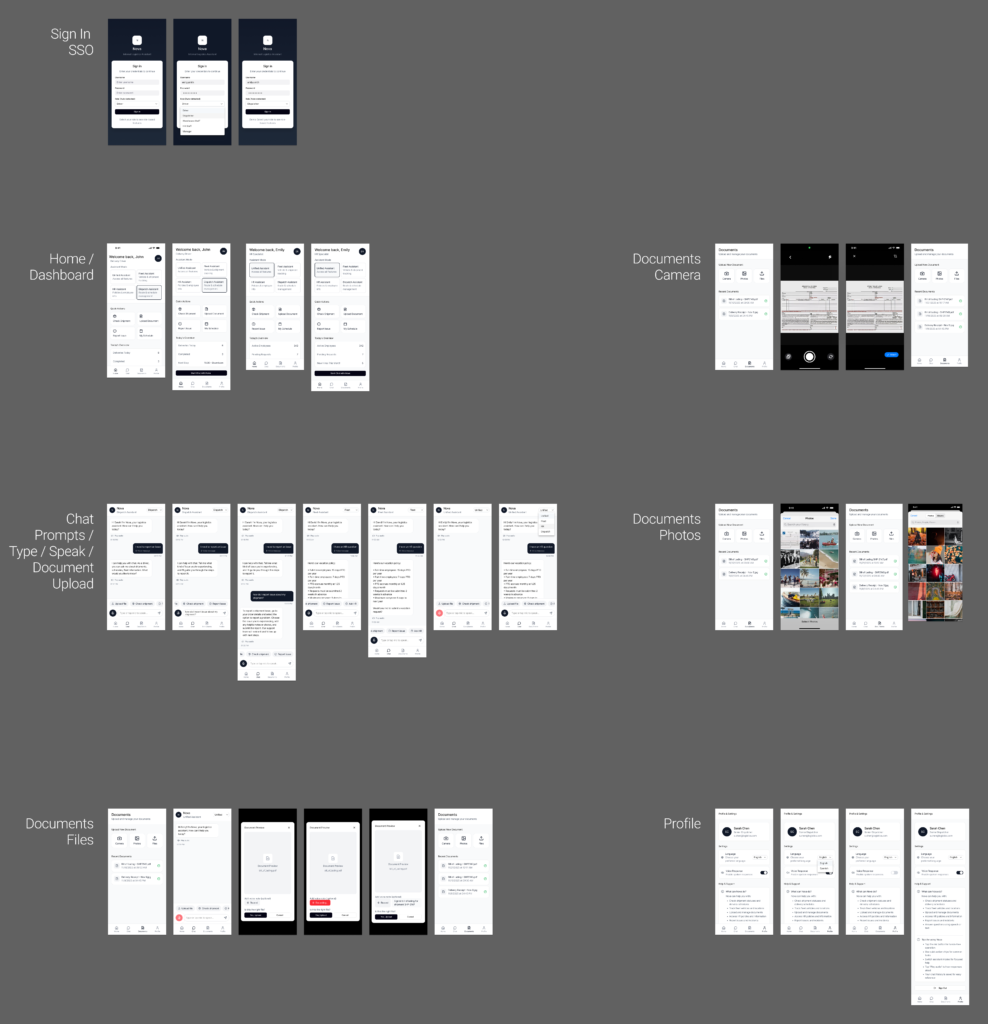
With the Enterprise AI Assistant, I explored how design shifts from fixed flows to more adaptive, AI-driven systems.
The Action
I defined interaction patterns that maintain human control while supporting AI-assisted workflows, ensuring transparency and trust in system behavior.
The Result
- Enabled human-in-the-loop decision-making
- Improved clarity and trust in AI interactions
- Established scalable interaction patterns for future systems
Core Leadership Capabilities

How I Lead Without Direct Authority
I lead by creating clarity, alignment, and structure across teams, ensuring design contributes directly to business outcomes and delivery efficiency.
- Strategic Alignment
Connecting user needs to clear business outcomes - Design Operations
Improving design-to-development workflows and delivery efficiency - Information Architecture
Structuring complex systems into clear, usable experiences - Stakeholder Management
Aligning engineering, product, and operations around shared goals
The most effective design is not just visible in the interface. It is reflected in how clearly teams think, collaborate, and deliver.
Leadership Perspective
I see design as a system that connects user needs, business goals, and technical execution. It goes beyond improving interfaces. It is about creating clarity in complex environments and enabling teams to move faster with confidence.
I focus on structuring systems, not just designing screens. Strong information architecture, consistent patterns, and scalable foundations allow products to grow without increasing complexity. This reduces friction for both users and teams and creates long-term value beyond individual features.
I lead by creating alignment. By working closely with product and engineering, I help teams move from opinion-based decisions to structured, outcome-driven thinking. I create environments where design drives strategy, improves execution, and delivers measurable business impact.